The estate
Four parcels of marl, one cellar cut into the hill in 1907, and the people who work them.

A working domaine
Not a brand page.
The house is the last one before the woods above the village. The cellar under it was cut into the grey marl in 1907 by the family who planted the first Savagnin on the slope behind, and it has never been heated, cooled or extended. Twelve degrees in August, eleven in January.
Eleven hectares in four parcels. Everything is picked by hand into small crates, everything ferments on its own yeast, and the whites that are meant to go under the veil are left alone for as long as the barrel asks. The estate sells what it makes, at the door and to a short list. There is no négoce wine and no second label.
What this site shows is what the cellar book says. When a wine is gone, it says so. When the door is shut, it says so. During the picking the whole site changes its clock.
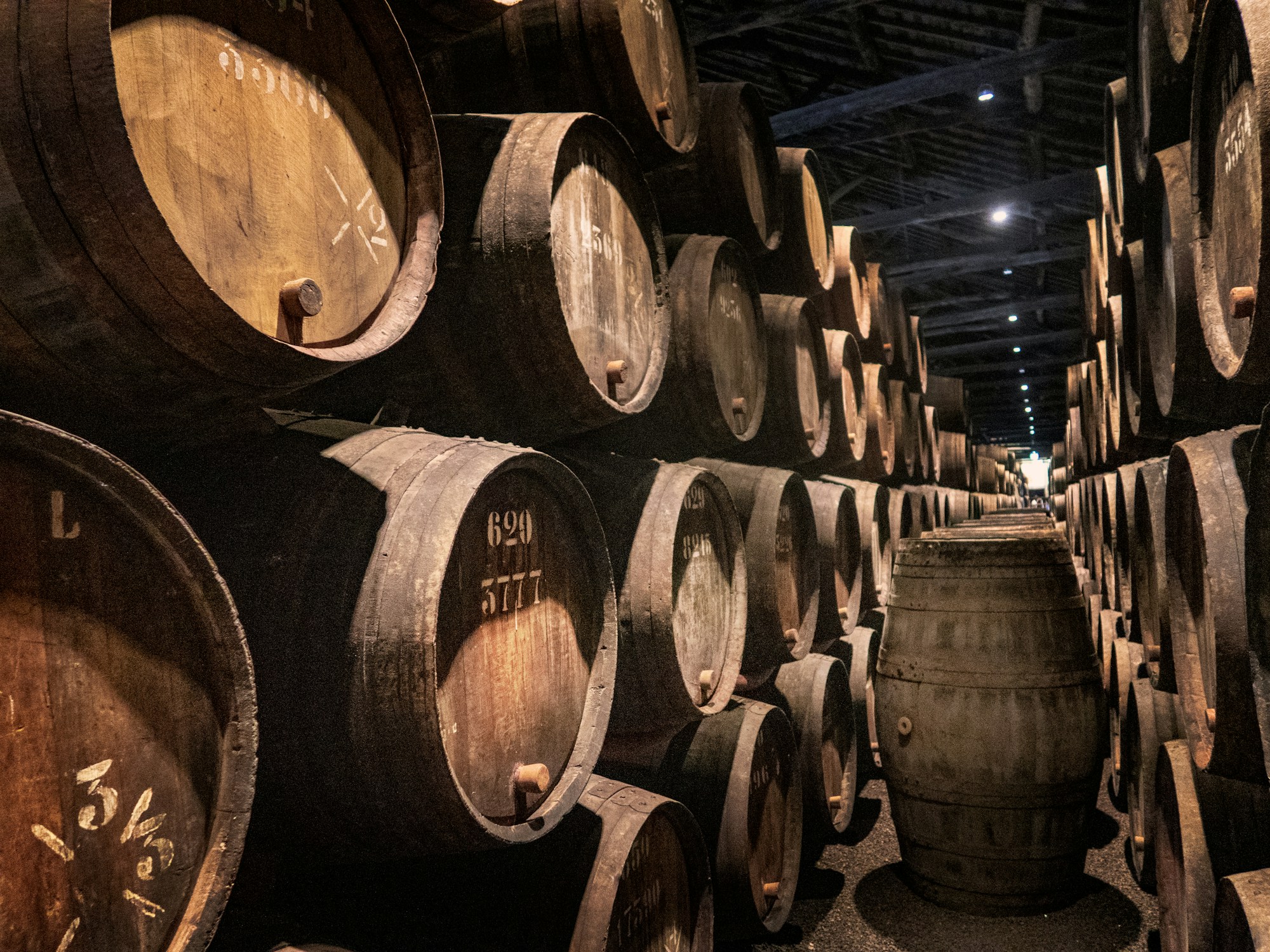
The cellar, 1907
The four parcels
Every wine is named after the ground it grew on.
Sous le Bief
1.9 ha · Savagnin ouillé
Grey marl under the old mill race. The first parcel planted, the coolest, the last to ripen.
La Marnière
3.2 ha · Chardonnay
The old marl pit. Thin soil, white stone, the wine that tastes most of the place.
Champ Léonce
2.4 ha · Trousseau, Ploussard
The warm bank above the road, where the reds ripen and the pickers eat lunch.
Combe Ronde
3.5 ha · Savagnin
The high bowl behind the woods. Everything that goes under the veil comes from here.

The people
Three of us, and the pickers in September.
Whoever is in the cellar pours. That is usually one of the three names below, and during the picking it is whoever has clean hands. Write to the estate address and the right person answers.
The vigneronne
Vines and the veil
Her brother
Cellar, bottling, the tractor
The cellar door
Tastings, the list, the post
The wines
Visiting